What Are 5 Ways to Build Credit Fast?
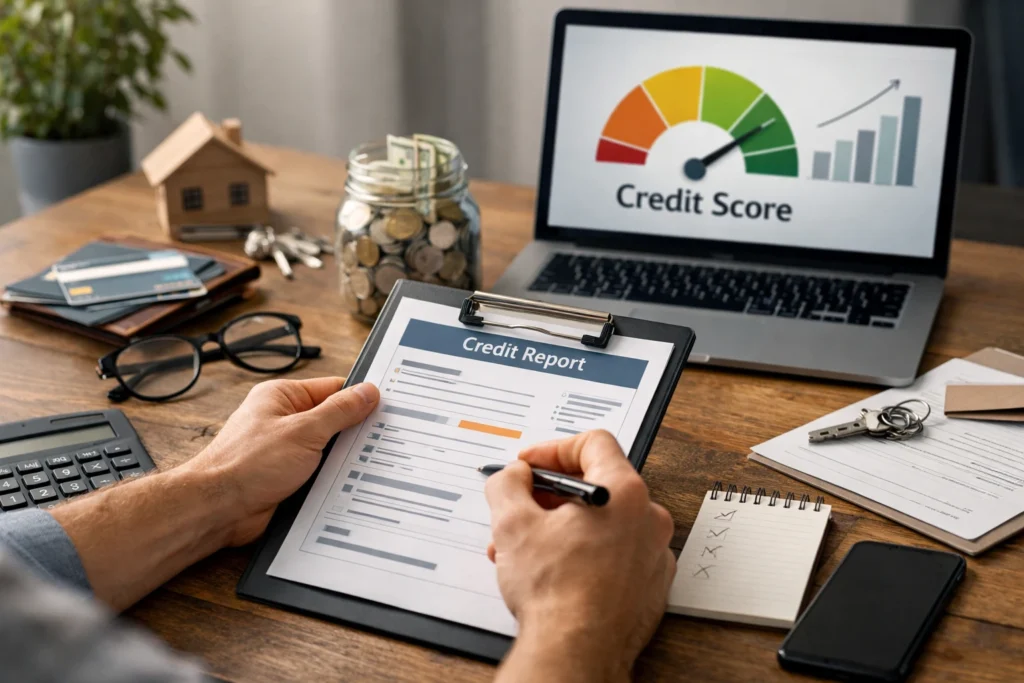
The lease application was supposed to be routine. Instead, you are at the kitchen table with a printed credit report, a notebook, and a red pen, circling a late payment you do not recognize while the apartment manager says your file is “under review.” If you need to list five strategies for building credit, that is where the real work starts — with the report in front of you, not a flashy promise online.
That scene is stressful, but credit scoring is less mysterious than it feels. Your scores are based on the information in your credit reports, not your income, savings, or how long you have held the same job. So when people say they want to build credit fast, they usually mean they need the next reporting cycle to reflect smarter, cleaner data.
What does it mean to build credit fast?
What credit building can change in weeks
Watch This Helpful Video
To help you better understand list five strategies for building credit, we’ve included this informative video from Charlie Chang. It provides valuable insights and visual demonstrations that complement the written content.
Fast credit building means improving the parts of your file that scoring models can react to quickly. The best example is revolving credit utilization — the share of your credit card limits that shows as used. If your card has a $1,000 limit and a reported balance of $850, paying it down to $80 before the statement closes can help the next report look very different.
I have seen people go from “application delayed” to “approved with conditions” between one month and the next because they fixed one reporting error and lowered one maxed-out card. Most creditors report account activity monthly, so real improvements often appear after the next reporting cycle.
What credit building cannot fix instantly
Truthful negative information does not disappear overnight. A legitimate 30-day late payment, charge-off, repossession, or collection tied to a valid debt can keep affecting your file for years. Under the Fair Credit Reporting Act, most negative items can stay on a report for up to seven years, and some bankruptcies can remain for up to ten.
If somebody promises an overnight reset, be careful. CPNs, file segregation schemes, and “sweep” pitches are the kind of shortcuts that can turn a credit problem into a legal problem. Fast improvement is possible. Magic is not.
Fast credit building usually means weeks to months, not days.
Why reporting cycles matter
Your due date and your statement closing date are not the same thing. The due date helps you avoid a late payment. The statement closing date often determines which balance gets reported to Equifax, Experian, and TransUnion.
Say your Visa statement closes on the 22nd and your payment is due on the 16th. If you pay down a large balance on the 24th, your issuer may still have reported the higher number for that month. That is why timing matters so much when you are trying to improve a score before renting, refinancing, or shopping for a car.
| Move | When it may show | What it can affect |
|---|---|---|
| Pay a credit card balance down before statement close | Often the next monthly report | Utilization |
| Correct an inaccurate late payment | After dispute resolution and bureau update | Payment history |
| Open a secured card and use it lightly | After the first reporting cycle | Positive account history |
Why does building credit matter?
How lenders use credit history
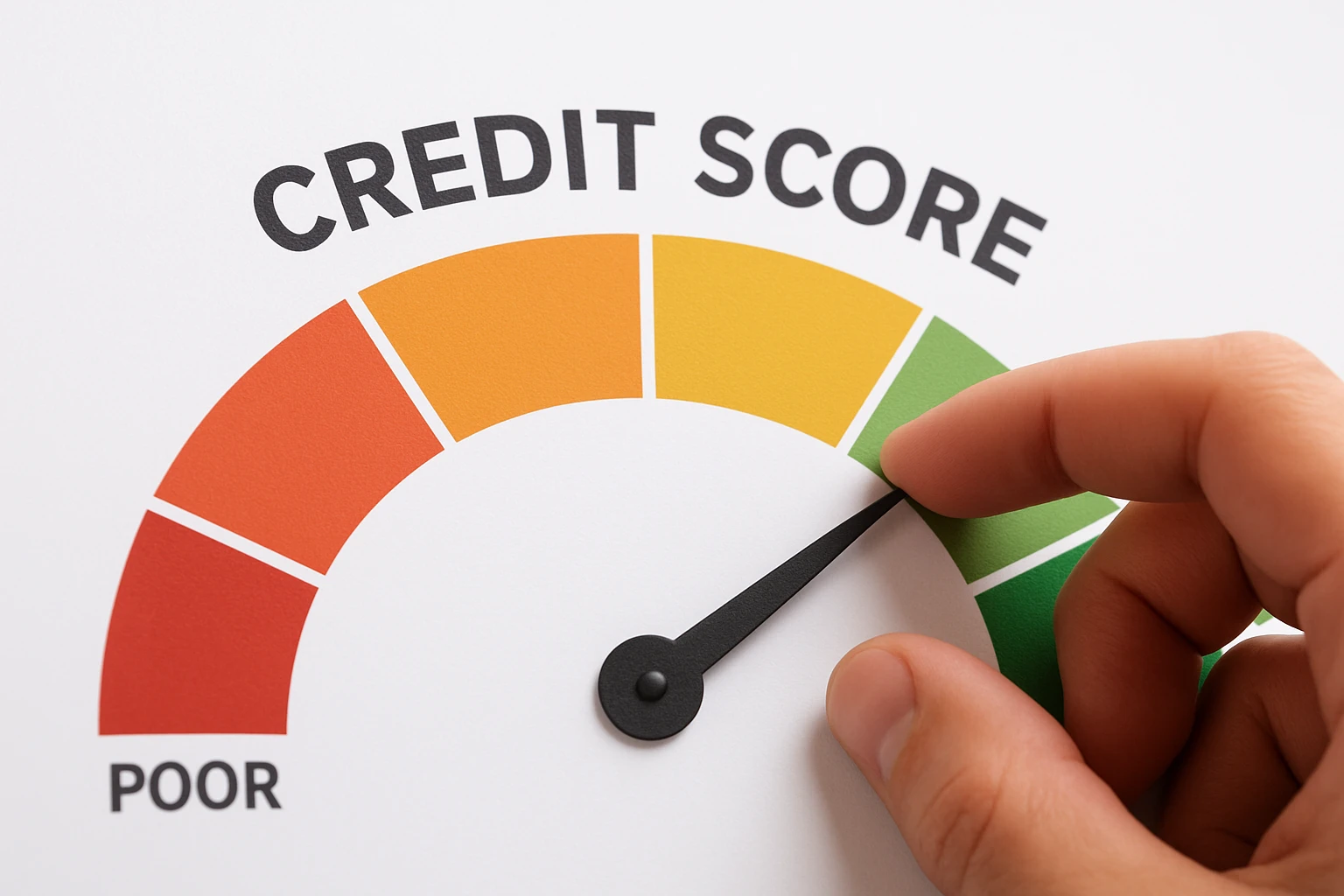
Lenders use credit history to estimate risk. Landlords use it to decide whether to approve a lease or ask for a larger deposit. Some insurers use credit history when setting prices in states where that practice is allowed. A stronger file can widen your options, while a messy one can narrow them fast.
The number itself matters, but the report behind it matters too. A mortgage underwriter may look beyond the score and notice recent late payments, disputed accounts, or high card balances. A landlord in Phoenix or Atlanta may care less about your exact score and more about whether you have unpaid collections.
Why renters and homebuyers should care
Renters usually feel the impact first. A thin file or a bruised score can mean a co-signer request, a bigger security deposit, or a delayed move-in date. Homebuyers feel it in pricing. Even a modest rate difference on a 30-year mortgage can reshape the monthly payment more than most people expect.
That is why I tell people to review reports before the pressure hits. If you wait until the week your apartment application goes in, or the month you want a preapproval letter, you give yourself almost no room to correct a wrong collection, an identity-theft account, or a card balance that is reporting too high.
The cheapest credit is the credit you already qualify for.
Why veterans and first-time borrowers should check early
Veterans, first-time borrowers, and younger renters often assume they have more time than they do. They usually do not. If you are preparing for a VA, FHA, or conventional mortgage, lender review starts long before closing day. The same goes for your first apartment, your first auto loan, or your first unsecured card.
Checking early helps you catch the weird stuff. I am talking about a cable bill from 2019, a medical collection tied to an insurance mix-up, or an old joint card that was supposed to be handled after a divorce. Those surprises show up on all three bureaus more often than you would think.
How does credit building actually work?
Payment history comes first
Payment history is one of the biggest factors in FICO-style scoring models, and it matters in other models too. Put simply, a record of paying as agreed helps you. Fresh late payments hurt you. That is why a simple autopay setup can do more for your file than a stack of complicated hacks.
If you are rebuilding, set autopay for at least the minimum due, then add a calendar reminder three to five days before each due date. I like redundancy here. A missed $35 minimum on one Capital One or Chase card can undo weeks of careful balance reduction.
Credit utilization can move quickly
Utilization measures how much of your revolving credit you are using. Lower balances generally help scores, especially on credit cards. Both overall utilization and per-card utilization can matter. A person with three cards and $9,000 in total limits may still look stretched if one $500 store card is reporting a $490 balance.
This is one of the few score drivers that can move fast. If you need a near-term result, paying down revolving balances before the statement closes is often the most practical lever to pull. FICO and VantageScore are not identical, but both respond to heavy card usage.
New accounts and hard inquiries need to be timed carefully
Every new credit application can create a hard inquiry, and opening several new accounts at once can temporarily lower a score. New accounts can also reduce the average age of your file. So if you are 45 days from a mortgage application or trying to clear an apartment screening, this is not the time to shotgun applications across the internet.
When I look at a rushed file, I want fewer moving parts, not more. One good new account can help a thin file. Four random applications in one weekend usually do not.
Do fewer things, but do them on time.
| Score driver | Why it matters | How fast it may change |
|---|---|---|
| Payment history | Late payments can cause meaningful damage | Damage can happen fast; recovery builds month by month |
| Utilization | High revolving balances can suppress scores | Often after the next reporting cycle |
| New credit | Hard inquiries and new accounts can trim points | Short-term impact can show quickly |
What are 5 ways to build credit fast? Can you list five strategies for building credit?

If you want the shortest practical path, use this order. It keeps you focused on the items most likely to affect the next cycle instead of chasing every tactic at once.
- Pull all three credit reports and dispute inaccurate negative items or fraud.
- Make every payment on time, using autopay and reminders as backup.
- Pay down revolving balances before the statement closes.
- Add one positive reporting account if your file is thin or inactive.
- Keep older accounts open when possible and avoid unnecessary new applications.
Start with cleanup and payment habits
First, get your reports from AnnualCreditReport.com and read all three. Look for accounts that are not yours, balances that are wrong, late payments that were reported in error, or old negative items that should no longer be there. Inaccurate negative items and identity theft can suppress a score, so cleanup is often the quickest path to improvement.
Under the FCRA, you can dispute errors with each bureau and with the company furnishing the information. Bureaus generally have 30 days to investigate, and in some cases that period can extend to 45 days. If a collector contacts you about a debt you do not recognize, the Fair Debt Collection Practices Act gives you a 30-day window to request validation. That matters with medical bills, old telecom accounts, and mixed-up addresses more than most people realize.
Second, lock down payment habits. Set autopay for the minimum due on every open account. Then add phone reminders so you can pay more when cash flow allows. This is boring advice. It is also the advice that saves scores. One new late payment can stall every other improvement you make.
Third, lower your card balances before the statement date, not just before the due date. If one card is nearly maxed out, attack that one first. A drop from 92% used to 18% used on a single card can matter more in the short run than spreading tiny payments across five accounts.
If errors or fraud are hurting you, cleanup often beats applying for more credit.
Add positive reporting
Fourth, add one new source of positive history if you truly need it. For most people, that means a secured credit card, a credit-builder loan, or authorized-user status on a well-managed account. “Well-managed” is doing a lot of work there. If you become an authorized user on a card with a low balance, long history, and no late payments, that can help more than being added to a newer card that stays near the limit.
Keep this simple. One new reporting account is often enough. If your file is thin — meaning there is very little recent credit activity on it — a secured card with a $200 or $300 deposit and one small recurring charge can start building clean history fast. Put a streaming bill or a phone insurance charge on it, then pay it in full every month.
You do not have to pay someone else to handle this for you. Under the Credit Repair Organizations Act, consumers can take every legitimate credit repair step themselves for free. If you want a plain-English starting point, the Consumer Financial Protection Bureau lays out the basics clearly.
Protect the age of your credit file
Fifth, protect the age and structure of the file you already have. Keep older accounts open when possible, especially if they have no annual fee and help your available credit. Closing an older card can shrink your available limit and make your remaining balances look heavier.
This is where people accidentally sabotage themselves. They pay off a card, close it, apply for two new rewards cards, then wonder why the score barely moves. If you are building for a rental approval, an auto loan, or a mortgage, resist the urge to tinker too much. Stability reads well.
| Strategy | Why it can help quickly | Best fit |
|---|---|---|
| Dispute errors and fraud | Corrects damaging information if inaccurate | Identity theft, mixed files, wrong late pays |
| Autopay every account | Prevents fresh late payments | Anyone rebuilding after missed dues |
| Lower reported balances | Can improve utilization by next cycle | High card balances |
| Add one reporting account | Creates new positive history | No credit or thin files |
| Protect older accounts | Preserves age and available credit | People tempted to close cards or spree-apply |
What common questions do people ask about building credit fast?
How soon can a score change?
Sometimes after the next reporting cycle. That is the honest answer. If your creditor reports on the 28th and you pay a big balance down on the 24th, you may see movement fairly soon. If you pay on the 29th, you may wait another month. Disputes can move on a different timeline because the furnisher and bureau have to review the claim.
If you are on a deadline for a lease or mortgage, start with the actions that can surface fastest: dispute clear errors, reduce utilization, and stop any new late payments. Leave optional new applications for later unless your file truly has no active positive accounts.
If you need a mortgage soon, prioritize disputes and utilization before shopping for new credit.
Will paying off a collection fix everything?
No. Paying a collection may help your overall profile health, lower stress, and improve how a lender sees the file. It does not always remove the account from every scoring model right away, and it does not automatically erase the original history behind it. Some lenders also care about whether the collection was accurate and how recent it is.
That said, do not ignore collections just because the score effect is not immediate. If the debt is unfamiliar, request validation promptly. If it is accurate, understand the terms before you pay, and get any settlement agreement in writing. A paid collection can still be better than an unresolved one when a human underwriter is reading the report.
What if I have no credit history at all?
Then your job is not really “repair.” It is “start.” A secured card, a credit-builder loan, or authorized-user status can all help create a track record. Use one account lightly, pay on time, and let a few monthly reports stack up. Thin files respond best to consistency, not speed-chasing.
This is where many people get sold nonsense. You do not need a secret tradeline package, and you definitely do not need a fake identity number. If you are 22 and renting for the first time, or 42 and restarting after divorce, the legal path is still the strongest one: one small account, one clean payment pattern, one boring month after another.
The fastest honest credit gains usually come from one sequence: fix bad data, cut reported balances, guard old accounts, and add one clean line of positive history.
If you need to list five strategies for building credit, think in monthly cycles, not miracle claims. Most movement shows up when corrected information and lower balances reach the bureaus.
Looking at your own report right now, which single line would make the biggest difference before your next lease, car loan, or mortgage application?
Credit Score Repair: Smarter Paths Forward
Credit Score Repair gives Americans clear credit score basics, range explanations, dispute help, rebuilding steps, and identity-theft guidance for steadier borrowing, renting, and mortgage choices.
This content is for educational purposes only and is not legal, tax, or financial advice. You can dispute credit report errors yourself at no cost under federal law, including the FCRA and CROA, and credit outcomes vary. Review official guidance from the CFPB, FTC, and your lenders before you act.