
Best 10 Credit Score Improvement Resources for 2026
A renter sits at the kitchen table with a denial email open on the laptop, a printed credit report beside it, and overdue bills spread across the counter. That is usually when people start searching for credit score improvement resources — not because they want a prettier number, but because housing, financing, or a reset just got blocked.
If that scene feels familiar, this guide is for you. Most consumer credit scores fall on a 300-to-850 range, and the score is derived from the information in your credit report. Lenders use that number to judge whether you are likely to repay on time, and your broader credit profile can also affect apartment applications, insurance pricing, and some employment screening. A score is never just a score. It touches rent, rates, and timing.
Who This Roundup Is For
Borrowers trying to qualify for a mortgage, refinance, or auto loan
Watch This Helpful Video
To help you better understand credit score improvement services, we’ve included this informative video from Graham Stephan. It provides valuable insights and visual demonstrations that complement the written content.
If you are trying to get through underwriting, small changes can have large consequences. A cleaner report or lower card balance can mean a better auto rate now or a smoother mortgage file next month. I have seen borrowers spend weeks chasing generic “repair” help when the real problem was one maxed-out revolving account or one old collection still reporting incorrectly to Experian, Equifax, or TransUnion.
The pressure gets real fast. A low score can mean a higher interest rate or a straight denial, while a stronger file can save thousands over an auto loan and far more over a mortgage. If your goal has a calendar attached to it, you need the resource that matches that deadline.
Consumers dealing with report errors, debt, identity theft, or thin credit files
Not every weak score comes from the same place. Sometimes the file is simply wrong — a late payment that should not be there, a duplicate account, a paid collection still marked unpaid, or inquiries you do not recognize. Sometimes the file is accurate but stressed: high utilization, missed payments, charge-offs, or medical debt after a rough year.
And sometimes the problem is the opposite of bad history: not enough history at all. Young borrowers, recent immigrants, and renters often have thin files. Veterans and military families can face their own twists, from deployment-related billing issues to relocation headaches that create reporting mistakes.
What credit score improvement education can realistically change in 2026
Educational guidance can help you dispute inaccurate items, organize documents, catch fraud, build positive reporting, or create a plan to lower balances and stop new late payments. It cannot legally promise a specific score jump. It also cannot erase accurate negative information just because you read a guide.
That matters under the Fair Credit Reporting Act. In general, credit bureaus have about 30 days to investigate a dispute, sometimes up to 45 in specific situations. Accurate negative items usually stay about seven years, while certain bankruptcies can remain up to 10. If you want a plain-English refresher on how the number itself works, Bankrate’s overview of credit scores is a useful external starting point.
Selection Criteria for Credit Score Improvement Resources
Match the resource to the root problem: errors, debt, identity theft, thin file, or timing
Your credit report can include payment history, open accounts, balances, inquiries, and serious derogatory information such as repossessions or bankruptcy. Depending on what is being reported, other items may appear as well. Because the score comes from that report, the right educational resource depends on what is actually hurting the file.
This is where many consumers get steered wrong. A person with fraud needs restoration and freezes, not generic budgeting advice. A borrower with 90% utilization needs a debt plan, not just monitoring alerts. A first-time renter with almost no history may benefit more from rent reporting than from any dispute guide alone.
Favor clear pricing, clear timelines, and clear reporting methods
I rank resources higher when they explain what they cover, how long it usually takes, and which bureaus or lenders will actually see the result. “We’ll work on your credit” is not a plan. “We will review all three reports, draft disputes, track responses, and show monthly progress” is at least concrete.
Reporting method matters just as much as price. A monitoring app may show a VantageScore, while a mortgage lender may rely on older FICO models. A rent-reporting platform may send data to one bureau, two, or all three. Those differences are not trivia. They affect whether your effort shows up where you need it to.
Exclude vague promises and one-size-fits-all fixes
I exclude any resource that sells fantasy. That includes claims of instant score boosts, advice to use a CPN, or “sweep” pitches that suggest accurate negative history can vanish on command. Under the Credit Repair Organizations Act, you can perform every legal repair step yourself for free. Paying for help only makes sense if it saves time, adds structure, or explains the process better than you can alone.
That same law is a reminder to read contracts carefully. If a company dances around its fees, avoids written disclosures, or acts like the rules do not apply, walk away. The loudest promise is usually the weakest resource.
| Root Problem | Best-Fit Resource | Urgency | What Success Looks Like |
|---|---|---|---|
| Report errors | Full-service repair or DIY disputes | Medium to high | Incorrect data corrected or removed |
| New fraud or unfamiliar accounts | Monitoring plus identity theft restoration | High | Files frozen, alerts reviewed, fraudulent items challenged |
| High balances or repeated late payments | Credit counseling, DMP, or coaching | Medium | Lower utilization and steady on-time payments |
| Thin file | Rent reporting or tailored credit-building help | Medium | More positive data on file |
| Mortgage closing soon | Rapid rescore and lender credit review | Very high | Updated lender-visible file before underwriting deadlines |
Any resource that guarantees a specific score number is a red flag.
Resources for Fixing Report Errors Fast
#1 Full-service credit repair companies — best for people with several report errors and little time
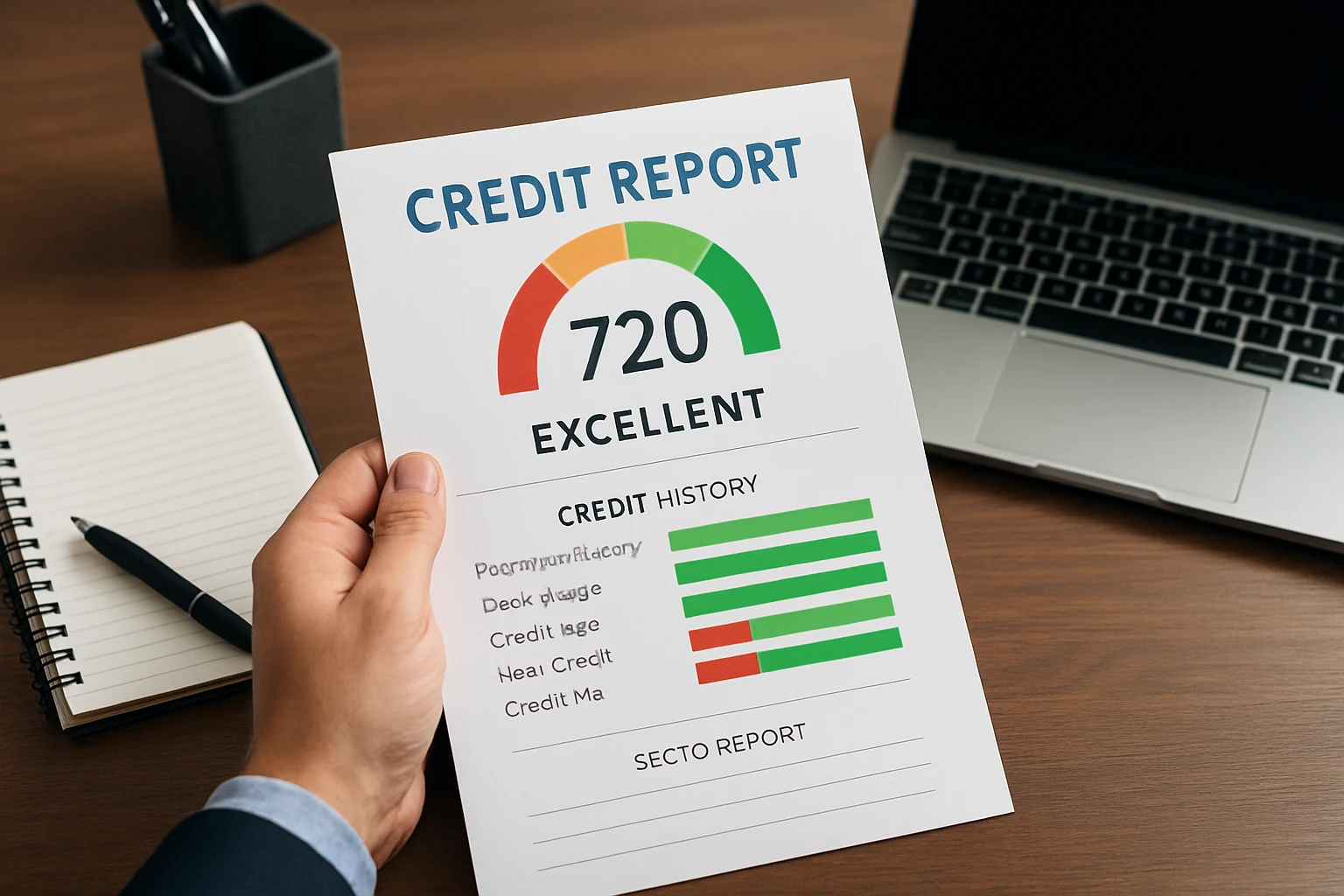
This option makes sense when your reports are messy across multiple bureaus and you do not have the bandwidth to manage the paperwork. A solid full-service provider reviews your reports, identifies questionable items, drafts disputes, tracks bureau responses, and keeps records organized. If you have duplicate collections, mixed files, or a cluster of wrong late payments, that administrative help can be worth paying for.
- Why pick it: Saves time when the file is complex and the documentation pile is already too big.
- What it can change: Inaccurate or unverifiable items, not accurate negative history.
- Watch-outs: No guaranteed deletions, no CPN talk, no vague “boost” language, and no pretending the law does not apply.
Remember the limit. A credit repair company cannot lawfully remove accurate items early. What it can do is push an organized dispute process under the FCRA, where bureaus generally have around 30 days to investigate. If you want that process explained step by step before paying anyone, Experian’s credit repair explainer is a decent reality check.
#2 DIY dispute filing services — best for hands-on consumers who want templates and tracking
This is the middle ground between doing everything on notebook paper and hiring a company. DIY dispute tools usually give you letter templates, bureau tracking, reminders, and a place to store documents. They work well if you are organized, skeptical, and willing to read your reports line by line.
- Why pick it: Lower cost than full-service help while still giving you structure.
- What it can change: Mistaken late pays, balances, dates, personal information, or duplicate reporting.
- Watch-outs: Templates are only as good as the facts you provide; weak disputes get weak results.
Start with your reports from AnnualCreditReport.com. If a collector is involved, know your rights under the Fair Debt Collection Practices Act too — you generally have a 30-day window after the initial notice to request debt validation. That matters because a dispute with a bureau and a validation request to a collector are related, but not identical, moves.
#3 Credit monitoring and alert services — best for catching new errors, duplicate accounts, or fraud quickly
Monitoring is not repair by itself. It is an early-warning system. You get alerts for new inquiries, balance spikes, fresh derogatory marks, or personal data changes. That can be the difference between spotting a problem in two days instead of two months — which matters when you are applying for a lease, an auto loan, or a refinance.
- Why pick it: Fast visibility when you need to know what changed and when.
- What it can change: Nothing directly; it helps you act before the damage spreads.
- Watch-outs: Many monitoring scores are educational scores, not the exact versions a mortgage lender will use.
For fraud, speed is everything. A new hard inquiry from a lender you never contacted is not a curiosity. It is a task for today.
The quickest wins usually come from correcting the report, not opening new credit.
Resources for Reducing Debt Pressure
#4 Nonprofit credit counseling — best for borrowers who need a stable plan before they fall further behind
When balances are rising and the next late payment feels inevitable, nonprofit credit counseling is often the smartest first call. A counselor can review your budget, prioritize bills, explain hardship options, and help you decide whether you need a deeper intervention. This is less dramatic than “repair,” but in practice it is often more useful.
- Why pick it: You need a plan, not a sales pitch.
- What it can change: Payment habits, cash-flow stress, and the odds of future delinquencies.
- Watch-outs: Counseling helps most when you follow the budget after the meeting.
That steadiness matters because a higher score can lead to better rates, while a low score can mean pricier borrowing or a denial. In my experience, borrowers who stop the bleeding early usually recover faster than borrowers who keep chasing cosmetic fixes while missing payments.
#5 Debt management plan providers — best for people juggling multiple high-interest accounts
A debt management plan, or DMP, usually rolls several unsecured debts into one monthly payment through a counseling agency. The appeal is simple: fewer moving parts, sometimes lower interest, and a clearer payoff path. If you are managing five cards, three due dates, and two accounts already 30 days late, that simplification can be a lifeline.
- Why pick it: You need structure across several accounts at once.
- What it can change: Utilization over time, late-payment risk, and budgeting chaos.
- Watch-outs: Participating cards are often closed or restricted, so this is a serious tradeoff, not a casual subscription.
This route is not ideal for everyone. If the main problem is inaccurate reporting, fix the reporting first. If the problem is that APRs and minimums are crushing your cash flow, a DMP can do more for your score trajectory than another month of hoping.
#6 One-on-one credit coaching and budgeting support — best for building habits that keep scores moving up
Coaching helps when you need accountability more than advocacy. A good coach can help you set autopay, sequence card paydowns, keep utilization lower, avoid unnecessary hard inquiries, and decide when a secured card or credit-builder product actually makes sense. This is especially useful after a divorce, medical debt event, or bankruptcy discharge, when the emotional noise can be as damaging as the math.
- Why pick it: You want a repeatable system that prevents the next setback.
- What it can change: Ongoing behavior that drives payment history and revolving balances.
- Watch-outs: Coaching without action is just expensive note-taking.
If you are deep in collections, mix coaching with legal awareness. Collectors cannot harass you, and your validation rights under the FDCPA still matter while you rebuild.
These resources help most when payments and balances are the bottleneck, not when the file has bad data.
Resources for Identity Theft and Mortgage Deadlines
#7 Identity theft restoration services — best when accounts or inquiries are not yours

If unfamiliar accounts or hard inquiries show up, skip the slow drift into “I’ll look at it this weekend.” Identity theft restoration resources help you document the fraud, place alerts or freezes, contact bureaus and creditors, and keep the case organized. That coordination matters when one fraudulent card account turns into three collection notices and a denied apartment application.
- Why pick it: You need immediate fraud cleanup and a paper trail.
- What it can change: Unauthorized accounts, inquiries, and the spread of future damage.
- Watch-outs: You still need to read the notices and confirm the facts; automation is not the same as judgment.
Use official tools too. The FTC’s IdentityTheft.gov is built for this exact scenario, and bureau freezes with Equifax, Experian, and TransUnion should be part of the plan.
#8 Rapid rescore and mortgage credit review services — best for buyers with a closing date
This is the most misunderstood item on the list. A rapid rescore is not a magic consumer app. It is usually a lender-initiated process used when you have proof of a valid change — such as a paid-down balance or corrected reporting — and the mortgage file needs that update reflected quickly. If closing is near, this can matter a lot.
- Why pick it: You have a real mortgage deadline and supporting documents in hand.
- What it can change: The lender-visible file used in active underwriting.
- Watch-outs: It only works when there is something concrete to update; it will not manufacture a better file out of thin air.
Mortgage buyers lose time by treating this like generic credit repair. It is not. It is a targeted underwriting tool. When a broker says, “Pay these two cards to this level and send receipts today,” that is a different conversation from long-term rebuilding.
If closing is near, prioritize resources that work on the lender-visible file immediately.
Resources for Renters, Veterans, and Thin-File Borrowers
#9 Rent reporting services — best for renters with a strong payment history that never showed up on credit
Rent is often the biggest bill in the household, yet many renters pay on time for years without getting any credit benefit. Rent reporting services try to solve that by sending verified payments to one or more bureaus. For thin-file borrowers, that new positive data can matter more than endlessly watching the score ticker.
- Why pick it: You already have good rent history but almost no tradelines.
- What it can change: Depth of file and recent positive payment activity.
- Watch-outs: Not every service reports to all three bureaus, and not every scoring model weighs rent the same way.
Ask practical questions before you sign up. Do they backfill prior months? Does the landlord have to verify manually? Will both you and a co-tenant get reporting? Those details separate a useful service from a barely visible one.
#10 Veteran-focused credit assistance resources — best for veterans and military households that want tailored support
Veterans and active-duty households can benefit from guidance that understands military life rather than treating it as an edge case. That may mean support around VA loan readiness, billing errors caused by moves, protections connected to service, or plain help sorting out a file after deployment or transition to civilian work.
- Why pick it: Your credit issue overlaps with military-specific paperwork, timelines, or benefits.
- What it can change: Documentation quality, loan readiness, and the fit between advice and your real situation.
- Watch-outs: “Military-friendly” branding is not enough; look for actual experience with VA lending, service-related disputes, and relocation issues.
This category is smaller than it should be. Still, when the guidance is tailored, it can save a lot of wasted motion — especially for households balancing old telecom bills, address changes, and a near-term housing move.
For thin files, adding positive recurring payments can matter more than chasing a cosmetic score bump.
How to Choose the Right Option
Start with the root cause: errors, debt, identity theft, timing, or thin file
Before you pay anyone, label the real problem in one sentence. “My score is low” is not specific enough. “I have two wrong late pays,” “my cards are maxed,” “someone opened an account in my name,” or “I need to qualify for a mortgage in 45 days” is specific enough. Once you do that, the field narrows fast.
This sounds basic, but it is where good decisions start. The best resource is the one that changes the outcome you need — approval, rate, lease, refinance, or fraud recovery — not the one with the slickest dashboard.
Compare cost, timeline, and whether the resource reports to all bureaus
Ask three questions every time. What does it cost? How long does it usually take? Who will actually see the result? A service that reports rent only to one bureau may still help, but you should know that upfront. A monitoring tool that shows daily changes is useful, but it is different from a lender-facing update in an active mortgage file.
If you want a government checklist for rebuilding, the Consumer Financial Protection Bureau keeps the advice grounded. And if you prefer to learn the process before taking action, educational sites such as Credit Score Repair can help you map disputes, debt-reduction steps, and credit-building options without pretending there is a guaranteed shortcut.
Use one resource or a combination based on how urgent the goal is
Sometimes one resource is enough. Often it is not. A renter with a thin file may use rent reporting plus monitoring. A borrower fighting collections may need counseling plus targeted disputes. A homebuyer under contract may need immediate balance paydowns, a lender review, and a rapid rescore in that order.
We see the best results when the sequence matches the goal. First stop new damage. Then correct bad data. Then add better data. That is how a credit plan starts to feel less like chaos and more like a timeline.
| Goal | Best First Move | Likely Add-On | Question to Ask |
|---|---|---|---|
| Apartment approval in the next month | Review all three reports and dispute obvious errors | Rent reporting | Will the new reporting reach the bureau the landlord checks? |
| Mortgage in 30 to 60 days | Mortgage credit review | Rapid rescore after documented changes | What exact balances or corrections does underwriting need? |
| High balances and missed payments | Nonprofit counseling | DMP or coaching | Will this lower payment pressure fast enough to stop new lates? |
| Fraud recovery | Identity theft restoration | Monitoring and bureau freezes | Who handles disputes, creditor calls, and written follow-up? |
| Very thin file | Rent reporting | Coaching on starter credit-building tools | Does the service report to one bureau or all three? |
If your goal is a mortgage, choose the path that improves the file lenders will actually see.
The best credit score improvement resources solve the problem behind the number, not the number alone.
If the file is wrong, fix the file. If debt is crushing the score, stabilize payments and balances. If the deadline is a lease or a closing date, move toward the resource built for speed.
That is how credit score improvement resources become a plan instead of a pitch — so what is the real obstacle holding your file back right now?
Plain-English Help From Credit Score Repair
Learn 300-to-850 ranges, reports, disputes, fraud, debt recovery, and rebuilding steps through plain-English guides for Americans facing low numbers, denials, renting hurdles, or veteran-specific obstacles.
Educational disclaimer: This content is for general education only and does not provide legal, financial, or credit-repair advice. Results vary, and no score increase is promised. Under the Credit Repair Organizations Act, you can dispute errors and perform credit repair steps yourself at no cost. For case-specific help, consider a qualified attorney, a HUD-approved housing counselor, the CFPB, or the FTC.