
How to Rebuild Credit After Debt Settlement
At the kitchen table, three credit reports are spread out beside a yellow legal pad. Settled accounts are circled in red. Dates are underlined. A checklist grows in the margin — fix this balance, confirm that account is closed, freeze reports before the next apartment application goes out.
If you are trying to figure out how to rebuild credit after debt settlement, that scene is the right starting point. Debt settlement may stop collection pressure, but it does not automatically clean up your credit file. A settled account can still show as a charge-off, a collection can report the wrong balance, and Equifax, Experian, and TransUnion can each tell a slightly different story. The good news is that rebuilding is usually straightforward when you do it in the right order: verify the records, dispute errors, stop new damage, and add fresh positive history that reports every month.
Prerequisites and Tools Before You Start Rebuilding
Pull all three credit reports and your latest scores
Watch This Helpful Video
To help you better understand how to rebuild credit after debt settlement, we’ve included this informative video from Graham Stephan. It provides valuable insights and visual demonstrations that complement the written content.
Start with the raw material: your reports from all three bureaus. Do not rely on just one app or one score. As Experian’s credit repair guidance points readers, free credit reports, free credit scores, disputes, fraud alerts, and security freezes are all part of the basic toolkit. Review reports from Equifax, Experian, and TransUnion because each bureau can show different account statuses, dates, and balances.
Also, treat scores as a snapshot, not a verdict. The score you see through a bank dashboard may be a VantageScore, while a lender may later pull a FICO version. Both can be useful. What matters right now is direction, not perfection.
Create a dispute folder with settlement letters, statements, and dates
Build one folder — digital, paper, or both — for every document tied to your settled debts. Include settlement agreements, payment confirmations, final statements, collection letters, screenshots of portal balances, and notes showing who you spoke with and when. If you settled an account on June 14 for $1,250, keep that date, that amount, and proof of payment together.
| What to Gather | Why It Matters | Best Example |
|---|---|---|
| Settlement letter | Shows agreed amount and account terms | Letter stating “account settled” with date |
| Payment proof | Supports balance or status corrections | Bank statement or receipt number |
| Old statements | Helps verify dates and last activity | Final statement before settlement |
| Bureau reports | Shows what each bureau is actually reporting | Equifax, Experian, and TransUnion copies |
Decide whether you need a security freeze or fraud alert
If identity theft is part of your story — maybe mail was stolen, an old partner had access to your information, or you see unfamiliar inquiries — protect your file before you do anything else. A security freeze can block most unauthorized new-account openings. A fraud alert tells lenders to verify identity more carefully. Both are standard first steps when fraud is a concern.
| Option | Best For | Trade-Off |
|---|---|---|
| Security freeze | High fraud concern or no near-term credit applications | You may need to lift it before applying |
| Fraud alert | You expect to apply soon and want extra verification | Less restrictive than a freeze |
| Neither | No fraud concerns and stable file | Offers no extra protection |
Do not start with new credit applications; start with your records.
Step 1: Identify Exactly What Debt Settlement Changed
Find settled, charged-off, or paid-for-less-than-full-balance accounts
Go line by line and mark every account connected to the settlement. Look for statuses such as “settled,” “paid settlement,” “paid for less than full balance,” “charge-off,” or “collection.” A settled debt can still appear in a way that hurts your score after collection calls stop. That is normal. Accurate negative history does not vanish just because the account is no longer active.
Under the FCRA, most negative account history tied to delinquent debt can remain for up to seven years from the original delinquency date. Some bankruptcies can remain for up to 10 years. That clock matters. It tells you whether an item is simply unpleasant but accurate, or old enough that you should question whether it still belongs there.
Check dates, balances, and payment history line by line
This is where mistakes often show up. Check the balance, account status, last payment date, date opened, date closed, and whether the account still reports past-due amounts after settlement. If the collector shows a $0 balance at TransUnion but Equifax still shows $1,842 due, flag it. If the original creditor still reports the account as open even though it should be closed, flag that too.
Different bureaus can update on different schedules, so one report may lag behind another for a reporting cycle or two. That delay is common. What you are looking for is not minor timing noise — you are looking for reporting that stays wrong.
Flag duplicates, re-aged debts, and accounts that should have been closed
A debt being settled does not automatically mean the reporting is accurate. Sometimes you will see the original creditor and a collection account both reporting in ways that make the balance look doubled. Sometimes a collector reports a new date that makes old debt look newer than it is. That is called re-aging, and it can be a serious problem.
| Issue to Flag | Why It Hurts | What to Compare |
|---|---|---|
| Duplicate collection entries | Makes one debt look like two | Account numbers, creditor names, balances |
| Wrong balance after settlement | Suggests you still owe money | Settlement letter and bureau balance |
| Re-aged delinquency date | Can keep negative history around longer | Original delinquency date across all reports |
| Account still open | Misstates current obligation | Closed date and status language |
A debt being settled does not automatically mean the reporting is accurate.
Step 2: Dispute Any Errors Tied to the Settlement
File bureau-specific disputes with supporting documents

When you find an error, dispute it with the bureau that is reporting it. If all three bureaus show the same mistake, send three separate disputes. Experian’s guidance explicitly directs consumers to get reports from all three bureaus and file disputes when information is wrong. That matters because correcting one bureau does not automatically fix the others.
Under the FCRA, a bureau generally has 30 days to investigate a dispute, and that window can extend to 45 days in some circumstances. Online disputes can move faster. Mailed disputes give you a stronger paper trail. If I have clean documents and a simple balance error, I often like mail because it slows you down just enough to be precise.
Use settlement letters or proof of payment to correct balances and status codes
Keep the dispute tight. State what is wrong, what it should say, and what document proves it. A one-page letter with a highlighted settlement agreement usually works better than a three-page rant.
- Identify the bureau and account.
- Name the exact error — wrong balance, wrong status, duplicate entry, wrong date, or open account that should be closed.
- Attach the settlement letter, payment confirmation, and report excerpt.
- Ask for correction or deletion of inaccurate information.
This is also where paid collections come into play. Experian’s topic list includes removing a paid collection when it is reported inaccurately. If it is wrong, dispute the inaccuracy. If it is accurate, do not expect a bureau to delete it early just because it is paid.
Escalate duplicates, wrong dates, or misreported collections
Some errors need a second round. If a bureau “verifies” a clearly wrong balance even after you sent proof, dispute again with clearer documentation and consider disputing directly with the furnisher as well. If a collector is still trying to collect a debt you already settled, keep every letter and call log.
The FDCPA can matter here. If you receive a new collection notice and the debt details look wrong, you generally have a 30-day validation window to request proof. That will not erase accurate debt, but it can force cleaner documentation and stop sloppy collection behavior from spreading into your reports.
Dispute the error, not the debt itself, unless the debt is actually inaccurate.
Step 3: Stop New Damage While You Rebuild
Place a security freeze if new-account fraud is a concern
Experian’s credit support topics include security freezes at all three bureaus and fraud alerts for a reason: rebuilding is hard enough without a fake phone account or store card showing up next month. A freeze is often the safest move when you are not planning to apply for credit right away. You can temporarily lift it later for a real application.
If you already see strange inquiries, unfamiliar addresses, or accounts you do not recognize, act first and sort the rest later. Fraud turns a repair project into a moving target.
Add a fraud alert if you expect to apply for credit soon
If you plan to rent, finance a car, or open a rebuild card soon, a fraud alert may fit better than a freeze. It warns lenders to verify your identity before opening new credit. That adds friction for impostors but is usually less cumbersome than freezing and thawing reports around a time-sensitive application.
One practical example: if you expect a landlord to run screening next week, a fraud alert can preserve access while still signaling caution.
Review old authorized-user and joint accounts for spillover risk
Settlement recovery gets derailed all the time by accounts that were not even part of the original problem. An old authorized-user card from a parent can suddenly carry a 95% balance. A joint card with an ex-spouse can go 60 days late. Those hits land while you are busy watching the settled account.
Review every account where someone else’s behavior can touch your reports. If an authorized-user account is hurting you, ask to be removed. If a joint account is unstable, make a plan before it becomes your next setback.
The safest credit move is often preventing the next problem, not chasing the fastest score bump.
Step 4: Add One or Two Positive Accounts That Report Every Month
Choose a starter account you can pay perfectly
Once the damage is contained, you need fresh positive data. For most people, that means one starter revolving account or one installment account — not a burst of applications. Common rebuild options include secured credit cards and credit-builder loans. Pick the one that fits your cash flow, not the one with the flashiest marketing.
A $300 secured card that you never miss can help more than three shiny new accounts opened in one weekend. Boring wins here.
Keep balances low and set automatic payments
Use the new account lightly. Put one small recurring charge on it — say a $19 streaming bill or a $35 cell phone autopay — and set automatic payment from your checking account. If your budget is uneven, set autopay for at least the minimum and calendar a manual check three business days before the due date.
That habit matters because one new late payment can wipe out months of quiet progress.
Use build-credit tools if your file is thin or nearly empty
Experian’s guidance references tools such as Experian Boost and Experian Go for some consumers who are trying to establish or expand reportable history. Those can help in certain cases, especially if your file is thin. They are not a cure for charge-offs, collections, or missed payments already sitting in the file.
| Rebuild Option | Best Use | Main Caution |
|---|---|---|
| Secured card | Needs revolving history and low monthly usage | Do not carry high balances |
| Credit-builder loan | Needs an installment line with fixed payments | Late payments defeat the purpose |
| Alternative reporting tool | Thin or limited file | May not matter to every lender or scoring model |
One well-managed account is better than three accounts you might miss.
Step 5: Improve the Two Biggest Score Drivers You Can Control
Pay every bill on time, every month
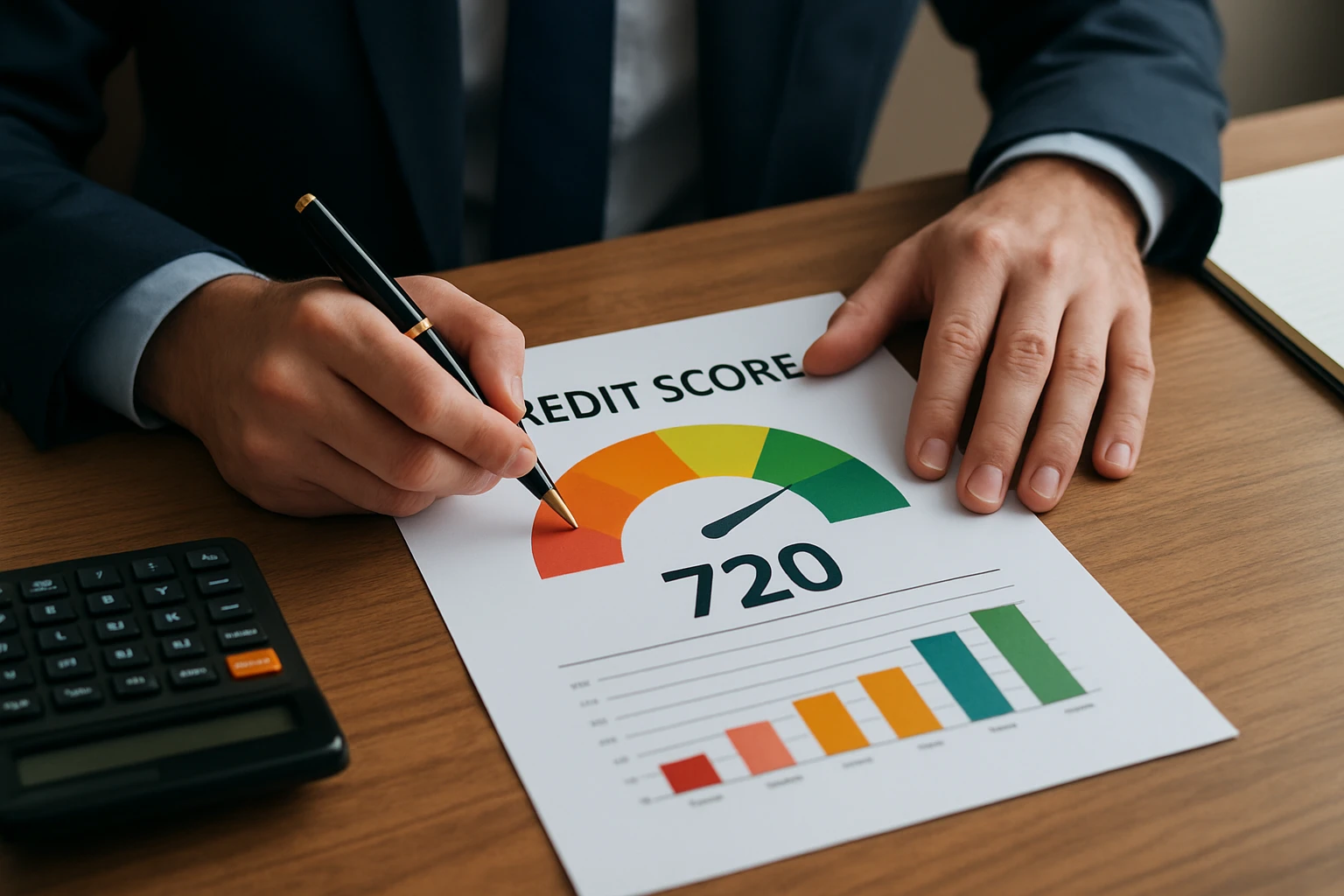
Payment history is a core factor in major scoring models, and it is the easiest one to understand. Either the payment arrives on time or it does not. If your budget is tight after settlement, automate minimum payments first. You can attack balances later. Protect the due date now.
I like simple systems. Rent due on the 1st. Card due on the 12th. Loan due on the 25th. Put those three dates on paper and in your phone. Clear beats clever.
Keep revolving balances low relative to their limits
Credit utilization is the other big lever. If your only card has a $500 limit and the statement closes with a $420 balance, the score can look strained even if you pay in full a week later. Keep balances low before the statement closes, not just before the due date. Paying twice a month can help.
Experian’s topic list includes how credit utilization affects credit and why a score may not rise right away. That lag catches people off guard. You can do the right thing in October and not see the cleanest reporting until November.
Avoid unnecessary hard inquiries while your profile is fragile
Do not stack new applications while you are rebuilding. One secured card may make sense. A furniture card, two store cards, and a personal loan probably do not. Hard inquiries from applications can weigh on a thin or recently damaged file.
Checking your own credit does not lower your score. That is a soft inquiry. The risky part is repeated applications for new credit when your profile is still stabilizing.
Rebuilding is usually a reporting-cycle game, not a one-week fix.
Step 6: Track Progress Toward Your Next Goal When Learning How to Rebuild Credit After Debt Settlement
Watch whether the reports are stabilizing across all bureaus
At this point, stop guessing and start tracking. Compare the three reports every month or two. Are the balances now consistent? Are settled accounts showing closed where appropriate? Did the duplicate entry disappear from TransUnion but not Experian? Stabilization across all three bureaus is often more meaningful than a single score jump.
Small score differences are normal. Different bureaus may update at different times, and different scoring models can disagree. The question is whether the file is getting cleaner and more predictable.
Match your timeline to your goal: renting, homebuying, or simply cleaner credit
Your next move should match your next milestone. A landlord may care most about recent payment behavior, unresolved collections, and whether the application passes internal screening. A mortgage lender usually cares about the broader profile being stable — fewer surprises, fewer fresh inquiries, and clearer documentation of old issues.
| Goal | What to Watch | When to Wait |
|---|---|---|
| Renting | Recent on-time payments, fewer unresolved collections | If reports still show wrong balances or fraud flags |
| Homebuying | Stable file, low balances, no fresh negatives | If you are still disputing major items or opening new credit |
| Cleaner file only | Accurate reporting across all bureaus | If old errors keep resurfacing |
Document progress in case a lender, landlord, or reviewer asks for context
Keep a paper trail. Save dispute results, updated reports, fraud confirmations, settlement letters, and a short written explanation of what happened if you think you may need it. If a landlord in Dallas asks why a 2024 collection now shows zero, you want the answer in one folder, not buried in three email accounts.
This is also where patience pays. Do not apply just because one score moved up 18 points. Apply when the entire file is ready to be read by a stranger.
Do not apply just because one score moved up; apply when the whole file is ready.
Common Mistakes to Avoid After Debt Settlement
Settling a debt but never checking how it is reported
This is the biggest miss I see. People settle an account, feel the relief, and move on — but the report still shows the wrong balance, the wrong status, or an extra collection line. A payment does not guarantee a correct update. You still need to verify what each bureau shows.
That is why the first two steps matter so much. If a paid collection or charge-off is reported inaccurately, dispute the reporting error. If it is accurate, expect it to age rather than disappear on command.
Opening too many new accounts or taking on fresh balances too soon
There is a strand of online advice that says you should open several cards right away to “dilute” past damage. I do not like that approach after settlement. It can produce more hard inquiries, more temptation to spend, and more chances to miss a due date. One or two accounts you control well usually beat a complicated stack of new obligations.
And remember: checking your own credit score does not hurt you. The inquiry that matters is the one from applying for new credit.
Ignoring identity theft, duplicate accounts, or paid collections that still show incorrectly
Do not let obvious errors sit because you feel overwhelmed. Identity theft, duplicate accounts, and stale paid collections rarely fix themselves. If fraud is in the file, freeze or alert first. If a collector is reporting a settled balance incorrectly, challenge the reporting with proof.
Also, be wary of fast-talking “credit repair” promises, CPN schemes, and sweep scams that claim they can erase accurate negative history. They cannot. Under the Credit Repair Organizations Act, you can do every legitimate repair step yourself for free. No company has a secret lane with Equifax. If the item is accurate, rebuilding usually beats trying to erase it.
If the item is accurate, rebuilding usually beats trying to erase it.
Rebuilding after settlement is not mysterious: verify the reports, correct the errors, protect the file, and stack fresh on-time history until the profile looks steady again.
That is how to rebuild credit after debt settlement without gambling on shortcuts or waiting for luck. Some updates will lag. Some scores will disagree. Keep going anyway.
Which item on your reports deserves your first hour tonight — the wrong balance, the old joint card, or the payment reminder that keeps next month clean?
Build Smarter With Credit Score Repair
Get clear basics, range meanings, dispute guidance, identity-theft safeguards, and rebuilding strategies for Americans facing debt, low scores, renting, homebuying, or military-family needs.
Educational disclaimer: This content is for educational purposes only and does not provide legal, tax, or financial advice. Under the FCRA and FDCPA, consumers have rights to dispute inaccurate credit reporting and request debt validation in qualifying situations, and under the CROA you can perform legitimate credit repair steps yourself for free. No service can legally remove accurate negative information from a credit report before the law allows or promise a specific score increase.
Generated on SEOPro AI